Imagine two startups:
One builds a profitable product but pays little attention to its supply chain’s carbon footprint or its internal diversity practices. The other integrates sustainable sourcing, ethical governance, and a culture of inclusion from the start.
Five years later, the first is struggling to retain top talent and justify its valuation amid rising regulatory scrutiny. The second startup, on the other hand, is attracting tier-one investors, boasting loyal customers, and scaling globally with ease. So is this a random turn of events? Absolutely not. It’s the new calculus of value.
Environmental, Social, and Governance (ESG) principles are no longer reserved for large corporations with investor relations teams and glossy sustainability reports. They’re rapidly becoming a strategic imperative for early-stage companies as a growth driver and a risk mitigator. For investors, ESG signals long-term resilience. For founders, it builds trust, operational discipline, and brand equity that compound over time.
Let’s break down why sustainability matters from day one and how it’s reshaping the future of early-stage investing.
ESG Is Becoming a Foundational Metric for Investors
According to PitchBook, ESG-focused funds surpassed $3 trillion in global AUM in 2024, and early-stage investors are catching on. Even among angel and seed investors, ESG due diligence is becoming common. Many now use frameworks such as the UN Principles for Responsible Investment (PRI) or the SASB standards to assess startups.
But here’s the twist: investors aren’t doing this just to look good. They’re realizing that startups with sound ESG practices outperform peers in valuation, retention, and regulatory adaptability.
ESG Drives Long-Term Value and Reduces Risk
Startups often think ESG is a “nice to have”, something to deal with once they scale. But in reality, early integration reduces existential risks.
- Environmental: Efficient energy use, waste reduction, and sustainable sourcing lower operational costs and exposure to future carbon taxes.
- Social: Transparent labor practices and diversity improve retention and innovation, which are key differentiators in small teams.
- Governance: Solid reporting and compliance from the beginning builds investor confidence and prevents messy boardroom disputes later.
Take Patagonia, which embedded ESG principles long before it became trendy. Or newer startups like Allbirds, which launched with a carbon-conscious mission and turned sustainability into a brand moat. These companies prove that ESG is a multiplier of brand trust and investor appetite.
ESG in Action: Case Studies from the Early-Stage Ecosystem
Case Study 1: BlocPower (CleanTech, U.S.)
BlocPower began as a Brooklyn-based startup retrofitting buildings for energy efficiency in low-income communities. Its strong ESG mission attracted early backing from investors like Andreessen Horowitz. The company has since secured over $100M in funding and expanded nationwide. For them, ESG wasn’t an afterthought; it was the core of its business model, directly aligning social impact with profitability.
Case Study 2: Climeworks (ClimateTech, Switzerland)
Started by two engineers with a bold vision to capture CO₂ directly from the air, Climeworks’ early commitment to transparency and governance attracted climate-conscious investors. Today, it’s a global leader in direct air capture, proving how early ESG alignment accelerates access to strategic capital.
Case Study 3: Gusto (FinTech, U.S.)
Even in a non-climate space, Gusto embedded strong social and governance practices early—equitable pay, transparent policies, and employee well-being initiatives. It built a reputation for ethical leadership that resonated with both talent and investors, becoming one of the fastest-growing payroll platforms in the U.S.
The Investor Advantage: Why ESG Screening Matters
For investors, ESG is about future-proofing capital. Startups that proactively manage ESG issues face fewer surprises: regulatory fines, reputation damage, or cultural implosions that erode value.
Early-stage investors are increasingly using “ESG-lite” frameworks tailored for startups that are focusing on measurable but flexible parameters such as:
- Supply chain transparency
- Founding team diversity
- Data protection and ethical AI use
- Carbon intensity of operations
- Board and investor alignment on governance
These metrics help investors identify resilient teams—the ones that can withstand market shocks and adapt to changing societal expectations.
For Founders: ESG as a Competitive Edge
Founders often assume ESG adds cost or slows down decision-making. But in the long run, it builds a brand narrative that attracts capital, customers, and employees.
Embedding ESG early can start simple:
- Implement fair hiring and DEI practices.
- Track and reduce operational waste.
- Adopt transparent governance processes.
- Communicate sustainability goals clearly to stakeholders.
When you integrate these elements early, you’re building credibility. And in today’s startup ecosystem, credibility compounds faster than capital.
Final Thought: ESG Is the New Early-Stage Advantage
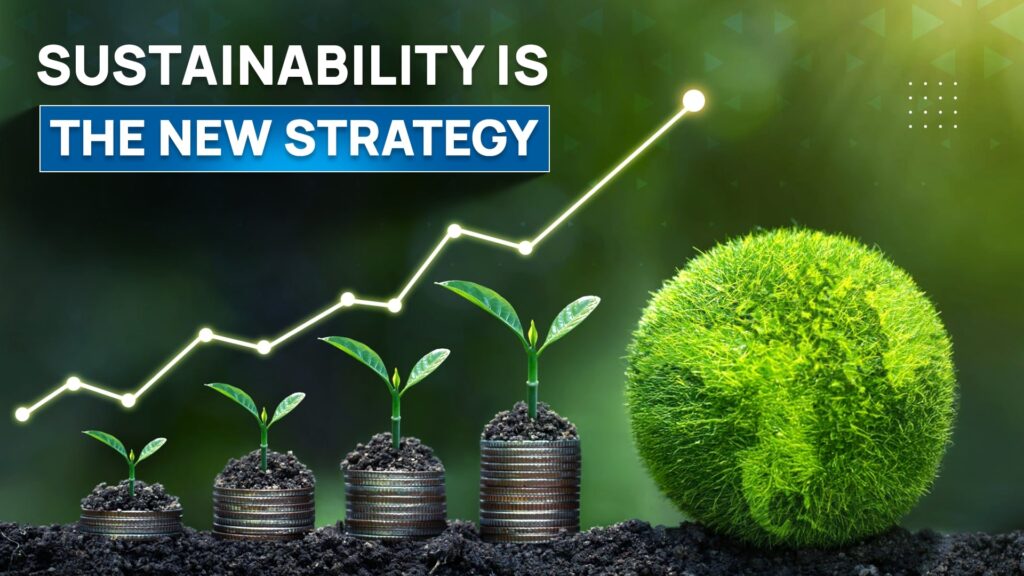
In 2025, the question for startups isn’t whether they can afford to prioritize ESG, it’s whether they can afford not to.
Early integration of sustainability principles attracts capital, mitigates risk, and builds loyal ecosystems of customers and employees who believe in your mission. Sustainability isn’t a postscript. It’s a business strategy, and the smartest founders and investors are already writing it into their opening chapters.