
Beyond the Wrapper: How to Prove Your Startup’s Real AI Advantage
Early-stage investors have seen hundreds of companies that looked impressive on the surface and indistinguishable underneath. Same APIs. Same models. Same promises.

Early-stage investors have seen hundreds of companies that looked impressive on the surface and indistinguishable underneath. Same APIs. Same models. Same promises.

An IPO is often framed as the ultimate validation moment for a company. Headlines focus on valuation, first-day trading pops, and bell-ringing ceremonies.

In the world of private markets, committing capital doesn’t mean instant exposure. Most private equity, venture capital, and private credit funds use a drawdown model

Capital is no longer scarce. What’s scarce is the kind of capital that actually moves the needle.
In today’s venture ecosystem, entrepreneurs can often find a check, but finding investors who roll up their sleeves, open their networks, and actively work alongside founders is a challenge. That’s where the real value lies.

Every investor has their own definition of “early.” For some, early means getting in before anyone else has heard of the founder, when the idea still lives on a PowerPoint slide. For others, it’s after a prototype is built and beta users are signing on. And for some, “early” still means the first million in revenue.
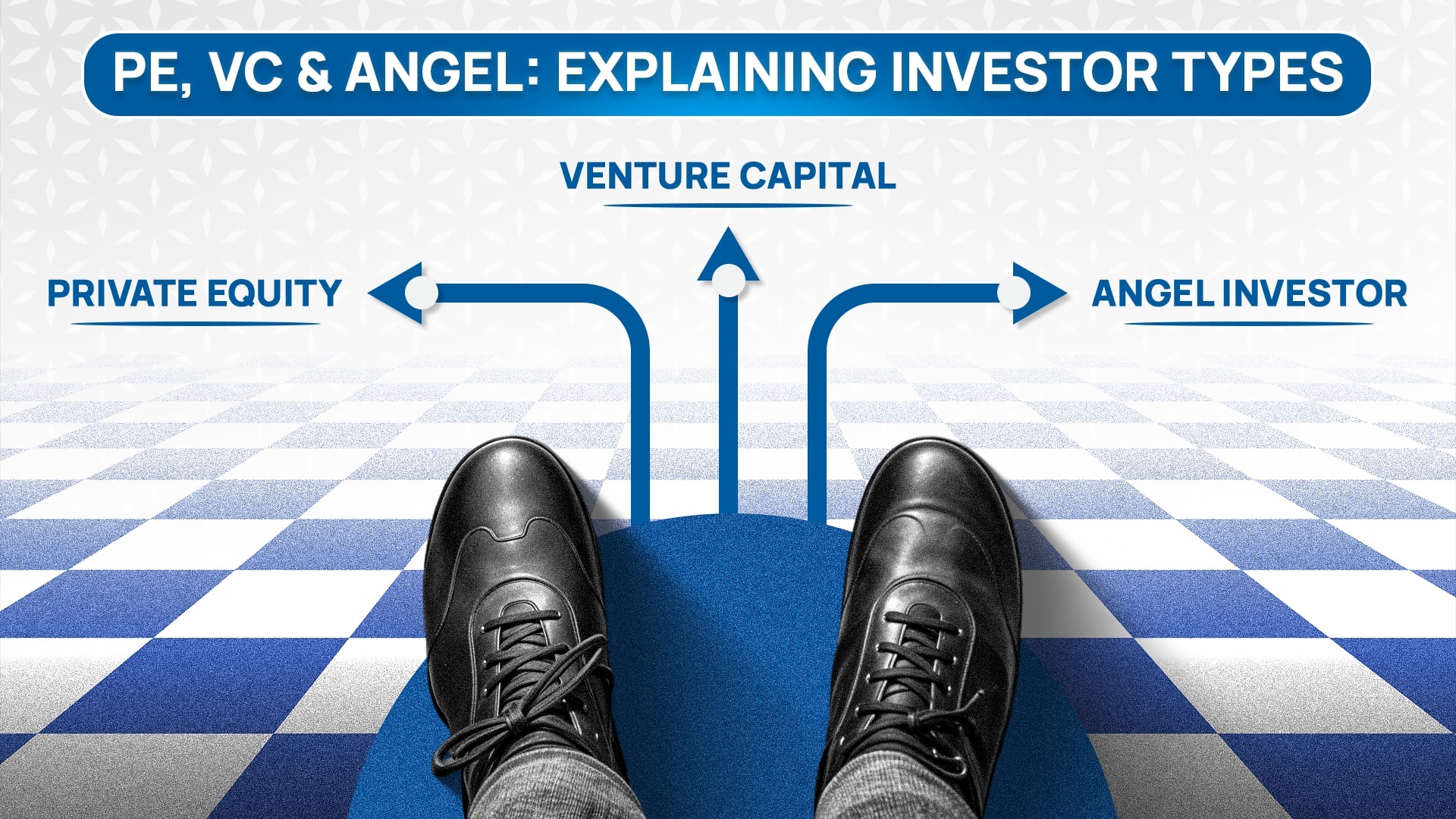
Capital fuels growth – but not all capital works the same way.
In the world of private market investing, terms like private equity, venture capital, and angel investing get tossed around a lot. However, beneath the buzzwords lie three distinct investment philosophies—each with different goals, timelines, and approaches to working with companies.

What if early-stage investing actually worked – for everyone?
Not just for the few who cashed out, but for the visionaries building innovative solutions, and the investors trying to back the next big thing without losing sleep?